




How Much Water Should A Puppy Drink?
Puppies are tiny, adorable chaos machines with big needs—and hydration is one of the most important. Knowing how much water your puppy should drink keeps them healthy, energetic, and growing strong. But the right amount depends on age, size, activity level, and even the weather. Here’s how to make sure your puppy gets exactly what they need.
Who This Is For
This guide is for:
-
New puppy parents
-
Anyone unsure if their puppy is drinking too much—or too little
-
Families wanting a healthy hydration routine for walks, play, and training

How Much Water Should a Puppy Drink?
Most puppies need about ½ to 1 ounce of water per pound of body weight per day.
Example:
-
A 10 lb puppy should drink 5–10 ounces per day.
-
A 20 lb puppy should drink 10–20 ounces per day.
But keep in mind… puppies grow fast, play hard, and pee often—so their needs can change daily.
Factors That Affect Your Puppy’s Water Intake
1. Age
Very young puppies (8–12 weeks) drink smaller amounts more frequently, while older puppies drink more at once.
2. Diet
-
Dry food = more water needed
-
Wet food = slightly less water needed
3. Activity Level
Puppies who go on frequent walks or training sessions may need extra hydration.
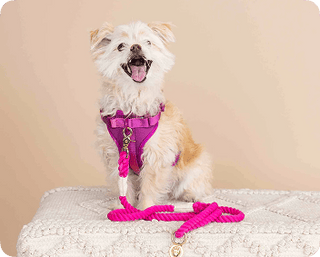
👉 Your Pink Papyrus rope or hands-free leash is perfect for safe, controlled outdoor breaks.
4. Weather
-
Hot weather = more water
-
Cold weather = slightly less
5. Health
Teething, illness, or digestive issues can change hydration needs—when in doubt, call your vet.
Signs Your Puppy Isn’t Drinking Enough
Dehydration can sneak up quickly in young pups. Watch for:
-
Dry nose or gums
-
Lethargy or low energy
-
Thick saliva
-
Dark yellow urine
-
Loss of skin elasticity (the “tent test”)
If you notice these signs, encourage them to drink—and call your vet if symptoms persist.
Signs Your Puppy is Drinking Too Much
Overhydration is less common but still possible. Watch for:
-
Constant, frantic drinking
-
Frequent indoor accidents
-
Vomiting or bloating
-
Pale gums
If you’re unsure, talk with your vet—especially if behavior changes suddenly.
Tips to Help Your Puppy Drink Enough Water
Offer Fresh Water Throughout the Day
Refresh the bowl morning, afternoon, and evening.
Bring Water on Walks
Especially during warm weather or long socialization sessions.
👉 Use a Pink Papyrus leash + waste bag holder combo to stay hands-free and organized while carrying a travel water bottle.
Add Hydration to Snacks
Spread yogurt or blended fruit onto a Pink Papyrus lick mat—it helps with hydration and keeps your puppy calm.
Use a Routine
Offer water:
-
After potty breaks
-
After playtime
-
After training sessions
-
Before naps and bedtime
FAQs
Q: Should I leave water out for my puppy at night?
A: For very young puppies, it’s okay to pick up water 2–3 hours before bedtime to reduce overnight accidents. Older puppies can have water available until bedtime.
Q: What if my puppy doesn’t want to drink water?
A: Try freshening the bowl, offering wet food, adding a splash of warm water to kibble, or using a lick mat with hydrating ingredients.
Q: Can puppies drink too much water?
A: Yes—excessive drinking can signal health issues. If your puppy is drinking constantly, contact your vet.
Written by Christine Abdelmalek
Founder and SHE-E-O of Pink Papyrus
Obsessed with crafting dog accessories—beautiful, brilliantly functional, and made with love.


