





What Cat Breeds Are Hypoallergenic? A Realistic Guide
If you love cats but your allergies say absolutely not, you’re not alone.
A lot of pet parents search for what cat breeds are hypoallergenic hoping for a magic, sneeze-free solution. Spoiler alert: there’s no such thing as a completely allergy-proof cat—but there are breeds that tend to trigger fewer reactions.
Let’s break it down, simply and honestly, with real-world tips to help you breathe easier (literally).
Introduction
Cat allergies don’t have to mean giving up on your dream of feline companionship. While no cat is 100% hypoallergenic, certain breeds produce fewer allergens and are easier for allergy-sensitive humans to live with. Below, we’ll explain what “hypoallergenic” really means, which breeds are best for allergy sufferers, and how to create a more comfortable home—for both you and your cat.

Quick Answer: What Cat Breeds Are Hypoallergenic?
No cat is truly hypoallergenic. However, some breeds produce less of the Fel d 1 protein—the main allergen that causes reactions in humans. Breeds like Siberian, Balinese, Bengal, Russian Blue, and Sphynx are often easier for allergy sufferers to tolerate, especially with regular grooming and good home hygiene.
Who This Is For
This guide is for:
-
Allergy sufferers who still want a cat
-
Families researching allergy-friendly breeds
-
First-time cat parents
-
Dog parents considering adding a kitty sibling
-
Anyone craving honest answers (minus the fluff)
If that’s you—welcome. You’re in the right place.
First Things First: Why Are People Allergic to Cats?
Contrary to popular belief, it’s not the fur.
It’s a protein called Fel d 1, found in:
-
Saliva
-
Skin oils (dander)
-
Urine
Cats spread this allergen when they groom themselves, then it sticks to fur and floats around your home like invisible glitter. Fun.
Some cats naturally produce less Fel d 1—that’s where hypoallergenic cat breeds come in.
Cat Breeds Known for Being More Allergy-Friendly
While individual cats vary, these breeds are commonly recommended for people with allergies:
Siberian
Surprisingly fluffy—but known to produce lower levels of Fel d 1.
Balinese
Often called the “long-haired Siamese,” they tend to release fewer allergens despite their coat.
Russian Blue
Dense fur that traps dander closer to the skin, plus typically lower allergen production.
Bengal
Short coat, minimal shedding, and less saliva left behind on fur.
Sphynx
Hairless, yes—but they still produce allergens. The upside? Regular bathing removes buildup.
Cornish Rex & Devon Rex
Very short, fine coats = less fur floating around your home.
Important note: allergy reactions are personal. Always spend time with a breed before committing.
Tips for Living With Cats When You Have Allergies
Choosing a low-allergen breed helps—but lifestyle matters just as much.
Here’s what actually makes a difference:
-
Brush your cat regularly
-
Bathe when appropriate (especially Sphynx)
-
Wash hands after cuddles
-
Use HEPA air filters
-
Vacuum often
-
Keep bedrooms cat-free if needed
Bonus tip: feeding stations and enrichment areas should be easy to clean. Silicone Lick Mats (yes—cats love them too!) are great for wet food or treats without mess buildup.
Bringing Home a Hypoallergenic Cat? Don’t Forget the Gear
If you’re adding a feline friend to your family, having the right essentials makes life smoother from day one.
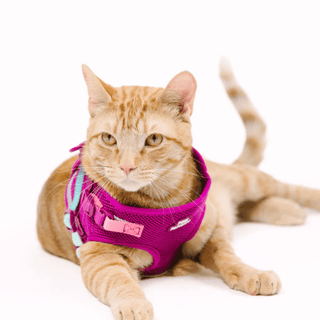
Pink Papyrus Cat Harness and Leash Sets are designed for comfort, security, and style—perfect for safe outdoor adventures or vet trips. Pair with a Collar Charm (not just for dogs 😉) to add personality without bulk.
We’ve fitted thousands of pets across dogs and cats, and our community consistently tells us: functional gear matters just as much as cute gear.
Fashion meets fetch… and whiskers.
Key Takeaways
-
No cat is completely hypoallergenic
-
Allergies come from Fel d 1 protein—not fur
-
Certain breeds tend to cause fewer reactions
-
Regular grooming + home cleaning makes a huge difference
-
Always meet a cat before adopting to test your reaction
FAQs
Are hairless cats completely hypoallergenic?
Nope. Sphynx cats still produce Fel d 1—it’s just easier to wash off since there’s no fur holding onto it.
Can kittens be less allergenic than adult cats?
Sometimes—but allergen levels increase as cats mature, so reactions may change over time.
Do male cats cause more allergies?
Yes. Unneutered males tend to produce higher levels of Fel d 1.
Can allergy meds help?
Many people successfully manage mild cat allergies with antihistamines and air purifiers—but always talk to your doctor first.
Written by Christine Abdelmalek
Founder and SHE-E-O of Pink Papyrus
Obsessed with crafting pet accessories—beautiful, brilliantly functional, and made with love.


