




How to Stop a Dog From Pulling on a Leash
Introduction
If your daily walks feel more like an upper-body workout, you're not alone. Leash pulling is one of the most common frustrations for dog parents—and thankfully, one of the most fixable. With a little patience, the right technique, and gear that actually works with you, you can turn chaotic walks into calm, enjoyable outings. Yes, even with that overly enthusiastic squirrel-spotter 🐕🦺
Who This Is For
This guide is for dog parents whose pups pull, tug, drag, or zigzag their way through every walk.
Whether you've got a brand-new puppy or a grown dog with strong opinions, these tips will help.

Why Dogs Pull on the Leash
It's Not Bad Behavior—It's Natural
Dogs pull because:
-
They walk faster than humans
-
They're excited by smells and sights
-
They haven't been taught leash manners yet
Pulling works for them. Our job is to teach them that not pulling works better.
Start With the Right Walking Gear
Before training even begins, your setup matters more than you think.
Choose Smart, Comfortable Equipment
-
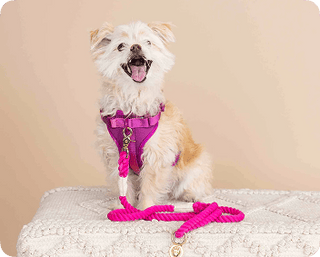
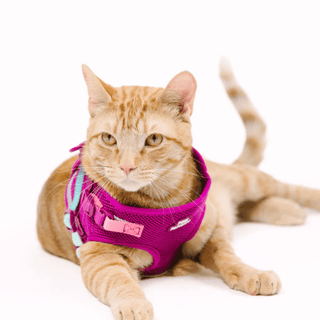
Harnesses help distribute pressure and reduce strain on the neck
-
Dog leashes with a comfortable grip improve control
-
Walk sets create consistency and comfort your dog recognizes
-
Treat pouches make rewarding good behavior instant
-
Waste bag holders keep walks smooth and stress-free
When your gear feels good, your dog is more relaxed—and learning sticks faster.
How to Teach Loose Leash Walking
Step 1: Reward Position, Not Distance
Your dog should learn that walking next to you is the goal.
-
Keep treats handy in your treat pouch
-
Reward when the leash is loose
-
Praise calm walking, not speed
Short walks with focus beat long, chaotic ones every time.
Step 2: Stop When Pulling Starts
This one feels dramatic—but it works.
-
The moment your dog pulls, stop walking
-
Wait for the leash to loosen
-
Resume walking once tension is gone
Dogs learn quickly that pulling = zero progress.
Step 3: Change Direction Often
Surprise your dog (politely).
-
Turn around when pulling starts
-
Encourage your dog to follow
-
Reward attention and eye contact
This builds focus and keeps walks engaging instead of tug-of-war themed.
Common Leash Training Mistakes
Avoid these traps:
-
Using too much force
-
Letting pulling slide "just this once"
-
Walking only when your dog is overly excited
Consistency is what creates change—not strength.
How Long Does It Take to Fix Leash Pulling?
Good news: most dogs improve within 2–4 weeks of consistent practice.
Daily walks + calm repetition + positive reinforcement = results.
Adding a calming routine afterward—like a lick mat at home—can also help dogs decompress and associate walks with balance, not overstimulation.
Extra Tips for Pull-Happy Dogs
-
Walk after a little playtime to burn off energy
-
Keep walks predictable at first
-
Stay relaxed—dogs mirror your vibe
A calm handler creates a calm walker.
Final Thought: Walks Should Be Fun
Walking your dog shouldn't feel like a battle. With patience, the right tools, and gentle training, leash pulling becomes a thing of the past—and walks become something you both actually enjoy.
Stylish gear optional. Confidence required.
FAQs
Why does my dog pull so hard on the leash?
Most dogs pull because it gets them where they want to go faster—not because they're being stubborn.
Should I use a harness or collar for leash pulling?
A well-fitted harness is often more comfortable and effective, especially for dogs still learning leash manners.
How long does it take to stop leash pulling?
With consistent practice, many dogs improve noticeably within a few weeks.
Can puppies learn loose leash walking?
Absolutely. Puppies can start leash training as soon as they're safely walking outside.
Written by Christine Abdelmalek
Founder and SHE-E-O of Pink Papyrus
Obsessed with crafting dog accessories—beautiful, brilliantly functional, and made with love.


