




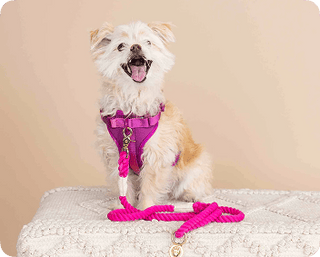
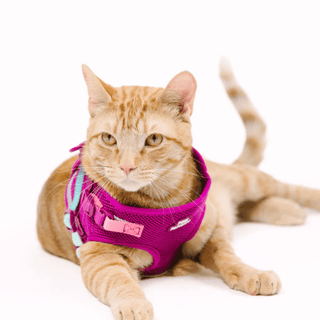
Why Do Dogs Pant? Simple Guide for Dog Owners
Ever looked over at your pup and thought, “Why are you breathing like you just ran a marathon… while lying down?”😅 You’re not alone.
Dog panting is completely normal—but sometimes, it can signal something more. Understanding the why behind it helps you keep your pup comfortable, safe, and living their best life.
Let’s break it down in a way that actually makes sense.
Quick Answer: Why Do Dogs Pant?
Dogs pant primarily to regulate their body temperature. Since they don’t sweat like humans, panting helps them cool down by evaporating moisture from their tongue and airways. It can also happen due to excitement, stress, or physical activity—but excessive or unusual panting may signal an underlying issue.
Who This Is For
- New dog parents trying to understand normal behavior
- Anyone noticing more panting than usual
- Pet owners dealing with hot weather or active pups
- Style-loving dog parents who want comfort and function (yes, we see you 👀)

The Real Reason Dogs Pant
Cooling Down (Their Version of Air Conditioning)
Dogs don’t sweat through their skin like we do.
Instead, they rely on panting to cool off. When your dog pants, air moves quickly over moist surfaces in their mouth and lungs, helping release heat.
You’ll notice this most:
- After walks
- During warm weather
- After playtime
This is why choosing the right dog walking gear matters more than people think.
A breathable harness or a lightweight dog collar can make a big difference in how quickly your pup cools down.
Excitement or Happiness
Yes—panting can literally mean “I’m having the best day ever.”
If your dog starts panting when you grab the leash or say “walk,” it’s likely excitement.
Pair that moment with a hands-free rope leash, and suddenly your walks are not just functional—they’re effortless and actually enjoyable.
Stress or Anxiety
Panting isn’t always happy.
Dogs also pant when they’re nervous or overstimulated.
Watch for:
- Pacing
- Whining
- Ears pinned back
In these moments, calming tools can help—like engaging them with a lick mat or using a consistent walking routine (we actually dive deeper into this in our daily walking routine blog).
Pain or Discomfort
This is where you want to pay attention.
If your dog is panting:
- At rest
- At night
- With no clear reason
…it could be a sign of pain or discomfort.
Trust your gut here—if something feels off, it probably is.
When Dog Panting Is Not Normal
Here’s your quick “pause and assess” checklist:
- Excessive panting without activity
- Rapid, heavy breathing that doesn’t slow down
- Drooling more than usual
- Lethargy or unusual behavior
These could point to overheating or health issues.
Hot tip (literally): Always bring water on walks. A treat pouch or waste bag holder with storage makes it easy to carry essentials without juggling a million things.
How to Help Your Dog Stay Cool and Comfortable
Make Walks Smarter, Not Harder
- Walk early morning or evening
- Avoid hot pavement
- Keep walks shorter in heat
Using a walk set designed for comfort (think: lightweight leash + breathable materials) helps prevent overheating before it starts.
Keep Them Hydrated
Always bring water—especially on longer outings.
Bonus: a collapsible bowl + your go-to pouch = you’re officially the most prepared dog parent at the park.
Watch Their Gear
Heavy or poorly fitted gear can trap heat.
Look for:
- Breathable materials
- Proper fit (not too tight)
- Lightweight hardware
We design Pink Papyrus pieces with real-life use in mind—because your dog shouldn’t have to choose between cute and comfortable.
Create Cool-Down Moments
After activity, let your dog rest in a shaded or cool space.
A quick reset goes a long way.
Key Takeaways
- Panting is your dog’s natural way of cooling down
- It’s normal after activity, excitement, or heat exposure
- Stress and anxiety can also cause panting
- Unusual or excessive panting may signal a problem
- The right gear and routine can help prevent overheating
FAQs
Is it normal for dogs to pant at night?
Sometimes—but if your dog is panting heavily at rest or overnight without reason, it’s worth checking with your vet.
Do all dogs pant the same amount?
Nope. Breeds, size, age, and coat type all play a role. Some dogs naturally pant more than others.
Can panting mean my dog is stressed?
Yes. If panting is paired with pacing or restlessness, your dog could be anxious.
How can I reduce panting during walks?
Walk during cooler times, bring water, and use lightweight, well-fitted gear like a comfortable harness or hands-free leash.
Written by Christine Abdelmalek
Founder and SHE-E-O of Pink Papyrus
Obsessed with crafting pet accessories—beautiful, brilliantly functional, and made with love.


