




Why Do Dogs Pant? What It Means for Your Pup
If you’ve ever watched your dog happily panting after a walk, you’ve probably wondered what exactly is going on. Is it just because they’re hot? Are they tired? Or could it mean something else?
Panting is completely normal for dogs, but it can happen for several different reasons. Understanding why dogs pant helps you recognize when everything is perfectly fine—and when your pup might need a little extra attention.
The Short Answer
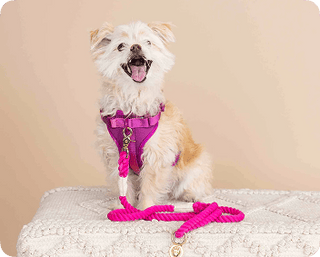
Dogs pant primarily to regulate their body temperature. Unlike humans, dogs don’t sweat through their skin, so panting helps them cool down by releasing heat through their tongue and respiratory system. Dogs may also pant when they’re excited, stressed, tired, or experiencing discomfort.

Who This Is For
This guide is for:
-
New dog parents learning their pup’s behavior
-
Anyone wondering if their dog’s panting is normal
-
Owners of active or high-energy dogs
-
Pet parents who want to better understand dog health signals
If you’ve ever looked at your dog mid-pant and thought, “Should I be worried?”, this guide is for you.
How Dogs Use Panting to Cool Down
Panting is essentially your dog’s built-in cooling system.
When dogs pant, they rapidly move air across their tongue, throat, and lungs. This allows moisture to evaporate, which helps lower body temperature.
Since dogs have very few sweat glands (mostly in their paw pads), panting is their primary way to prevent overheating.
You’ll most often see panting after:
-
Exercise or playtime
-
Walks on warm days
-
Excitement or stimulation
A comfortable walk using a well-fitted dog harness or leash can help keep activity safe and controlled, especially during warmer weather.
Common Reasons Dogs Pant
Panting isn’t always about heat. Dogs pant for several everyday reasons.
1. Cooling Down After Activity
After a walk, zoomies in the yard, or a game of fetch, panting helps your dog regulate their temperature.
Active pups who love daily walks—especially those exploring the world with their favorite hands-free rope leash—will often pant for several minutes afterward.
This is completely normal.
2. Excitement
Dogs sometimes pant simply because they’re thrilled.
You may notice panting when:
-
You grab the leash
-
Guests arrive
-
They anticipate a treat
-
It’s time for their walk
Excitement panting usually comes with wagging tails and bright eyes.
3. Stress or Anxiety
Dogs may also pant when they feel nervous.
Situations that can trigger stress panting include:
-
Vet visits
-
Thunderstorms
-
Car rides
-
Busy environments
Stress panting often appears alongside other signals like pacing, whining, or lip licking.
4. Pain or Discomfort
Panting can sometimes indicate that something isn’t quite right.
If panting appears suddenly and your dog hasn’t been exercising or overheating, it could be related to discomfort.
Watch for signs like:
-
Restlessness
-
Refusing food
-
Lethargy
-
Hiding behavior
When in doubt, it’s always smart to check with your veterinarian.
5. Overheating
Heat-related panting is important to recognize.
Dogs that become too hot may show:
-
Heavy, rapid panting
-
Drooling
-
Bright red gums
-
Weakness or confusion
On hot days, shorter walks, shaded routes, and proper gear can make a big difference. Lightweight walk setups—like breathable dog harnesses, leashes, and compact waste bag holders—help keep outings simple and comfortable.
When Dog Panting Is Normal
In most cases, panting is perfectly healthy.
You’ll typically see normal panting when your dog:
-
Has been exercising
-
Is cooling down
-
Feels excited
-
Is relaxing after activity
Dogs often stop panting naturally once they’ve cooled down or settled.
Many pups also pant lightly while lounging after a stimulating walk or play session.
When Panting May Be a Concern
There are situations where panting deserves closer attention.
Contact your vet if panting is:
-
Excessive or unusually loud
-
Happening without exercise or heat
-
Accompanied by vomiting or weakness
-
Occurring late at night when your dog is resting
A sudden change in behavior is often the biggest clue.
You know your dog best.
Helping Your Dog Stay Comfortable
A few simple habits can help keep panting at normal levels.
Keep Walks Smart
Avoid walking during the hottest parts of the day.
Morning or evening walks are usually best.
Provide Plenty of Water
Hydration helps regulate body temperature and keeps dogs comfortable after activity.
Use Comfortable Walking Gear
Properly fitted gear prevents strain and overheating during walks.
Many dog parents prefer lightweight setups like:
-
Breathable harnesses
-
Hands-free rope leashes
-
Compact treat pouches for training rewards
Comfortable gear makes daily walks easier for both dogs and humans.
Offer Mental Enrichment
Mental stimulation helps dogs relax and settle after activity.
Interactive tools like lick mats can encourage calm behavior and help pups decompress after exciting moments.
Key Takeaways
-
Dogs pant primarily to cool themselves down.
-
Panting can also happen due to excitement, stress, or physical activity.
-
Occasional panting is completely normal.
-
Excessive or unexplained panting may require veterinary attention.
-
Safe walks, hydration, and proper gear help keep dogs comfortable.
FAQs
Is it normal for dogs to pant a lot?
Yes. Dogs pant frequently after exercise, during warm weather, or when excited. As long as the panting slows once your dog rests and cools down, it’s typically normal.
Do dogs pant when they are happy?
They can! Excited panting often happens when dogs anticipate fun activities like walks, treats, or greeting their favorite people.
Why is my dog panting at night?
Panting at night can sometimes signal discomfort, anxiety, or temperature issues. If it happens regularly or seems unusual for your dog, it’s worth speaking with your vet.
Can stress cause dogs to pant?
Yes. Dogs may pant when they feel nervous or overwhelmed. Stress panting is often paired with pacing, whining, or other anxious behaviors.
Written by Christine Abdelmalek
Founder and SHE-E-O of Pink Papyrus
Obsessed with crafting pet accessories—beautiful, brilliantly functional, and made with love.


