



Best Harness for Big Dogs: Fit, Control, and Comfort
The best harness for a big dog has a secure, adjustable fit, a leash attachment that suits the way your dog walks, and material that stays comfortable against the body. Size matters, but your dog’s proportions and walking habits matter just as much.
Start With the Right Type of Control
Large dogs can put plenty of force behind a sudden pull. A harness moves leash pressure away from the neck, while a front-clip or no-pull design can give you additional control when your dog is larger or stronger than you. The AKC harness selection guidance recommends front-clip styles for dogs that pull and notes that no-pull harnesses can be especially helpful when the dog outweighs the person walking them.
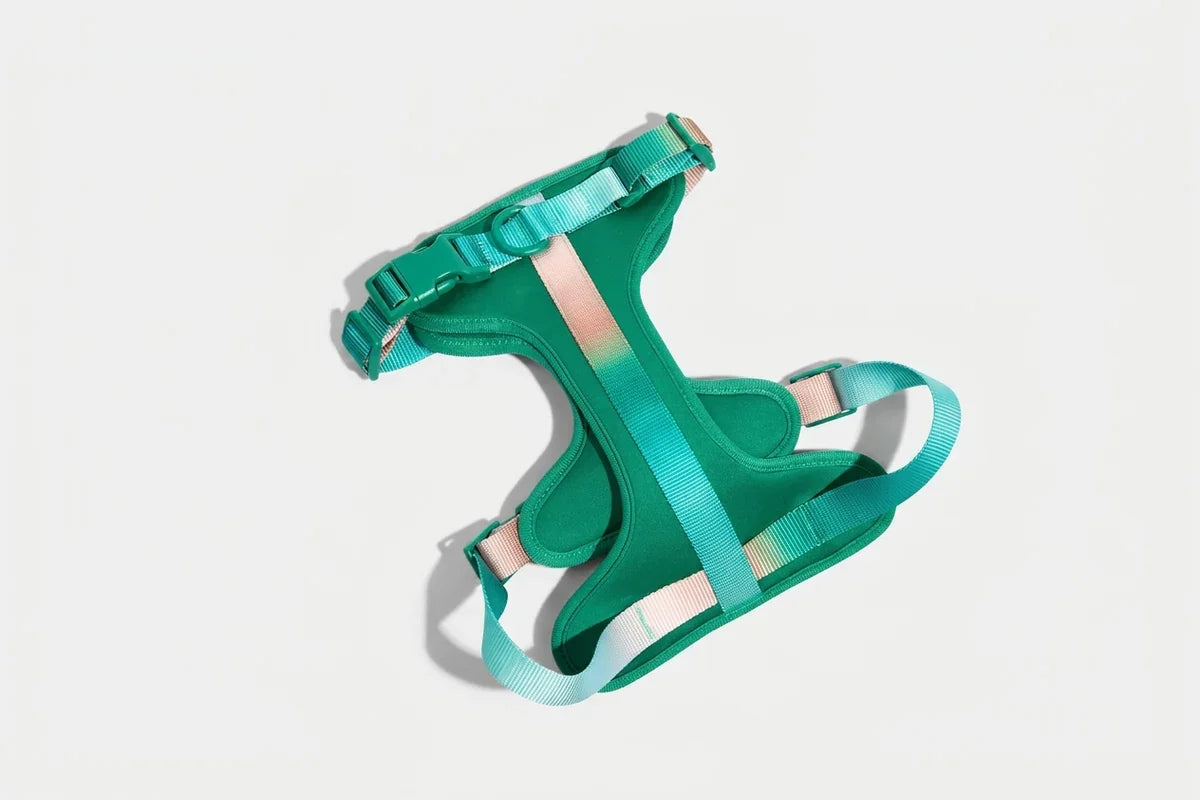
Clip placement changes how the harness feels in your hand. A front attachment can help you manage forward pulling. A back attachment is better suited to a dog that already walks calmly, while a dual-clip design lets you change the setup as your dog’s leash skills improve.
If pulling is the main issue, compare the training and gear considerations in our guide to the best harnesses for dogs that pull. You can also browse the no-pull dog harness collection once you know which attachment style fits your routine. For a closer comparison of that category, see our best no-pull dog harness guide.
| Harness Feature | When to Use It | What to Check |
|---|---|---|
| Front leash attachment | Your large dog pulls or surges forward | The attachment sits centered on the chest |
| Back leash attachment | Your dog walks reliably on a loose leash | The leash connection stays clear of the straps |
| Dual leash attachments | You want flexibility for training and everyday walks | Both attachment points are easy to access |
| Adjustable neck and chest | Your dog has broad, deep, or unusual proportions | Each area can be fitted without pinching another |

Fit the Dog in Front of You
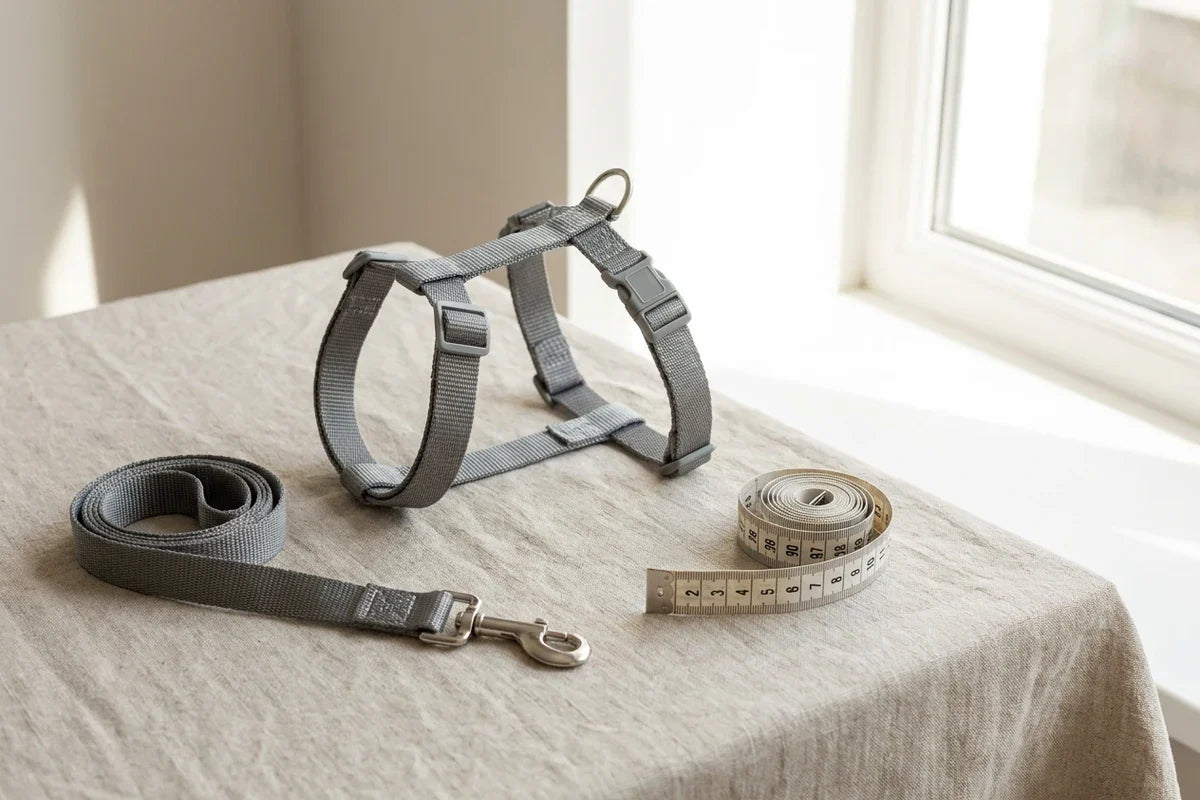
A size label is only a starting point. Two big dogs can have very different builds, even when they appear similar at first glance. One may have a deep chest and slimmer neck, while another is broad through both areas. Choose from the manufacturer’s chart using your dog’s actual measurements rather than guessing from appearance.
A comfortable harness should sit near the top of the sternum rather than around the throat. The girth strap should stay on the rib cage without sliding toward the stomach or pressing into the backs of the front legs. The AKC guide to a well-fitting harness also advises checking for pinching and rubbing behind the elbows.
- Measure around the base of the neck where it meets the shoulders.
- Measure the widest part of the chest, usually just behind the front legs.
- Compare both numbers with the specific manufacturer’s sizing chart.
- Adjust every strap until the harness is snug but not uncomfortable. Two fingers should fit underneath with slight squeezing.
- Watch your dog walk. Check that straps stay away from the throat, elbows, and stomach.
Do one more check before heading outside. Ask whether your dog could create a gap by backing up, twisting, or lowering the shoulders. Dogs with narrow heads, slippery coats, or a habit of reversing out of their gear need particular attention around the neck and chest. Our guide to harnesses dogs can’t slip out of covers that situation in more detail.

Choose Comfort Without Guessing
The most comfortable harness for a large dog is the one that fits correctly and uses material suited to the outing. Extra padding cannot fix straps that sit in the wrong place. Before focusing on softness, make sure the neck opening, chest panel, and girth strap follow your dog’s shape without rubbing.
Mesh is lightweight and breathable, but some designs have limited padding and may chafe. Neoprene offers padding and can suit dogs that enjoy water, although it may trap heat and moisture. Nylon is lightweight and durable, but it is not especially breathable. The better choice depends on the weather, activity, and how each edge rests against your dog.
Check the contact points after the first few walks in a new harness. Look behind the elbows, along the chest, and around the neck opening for signs that the material is rubbing. This is especially useful after a longer outing, when a small placement issue has had more time to become noticeable. If you are comparing everyday options by size, the large dog harness collection keeps the relevant category in one place.

Match Extra Features to a Real Need
A handle can be useful when you need a close point of contact for guiding or steadying your dog. It should be treated as a specific feature, not a substitute for proper fit or a suitable leash attachment. If that feature belongs on your list, compare the dog harness with handle collection after confirming the size and clip configuration you need.
Mobility needs deserve their own decision. If your large dog has weak back legs, choose according to the support your dog needs rather than judging the harness by front and back leash clips alone. Our guide to the best dog harnesses for weak back legs will help you focus on that more specific job.
Frequently asked questions
Is a Back-Clip Harness Suitable for a Large Dog?
Yes, when the dog is well trained and walks calmly on a loose leash. A front attachment is usually more helpful when you need additional control over pulling.
Is Neoprene a Good Harness Material for Swimming?
Neoprene is padded and can be useful for dogs that enjoy swimming. Keep in mind that it may trap heat and moisture, so it may not suit every climate or outing.
What if My Big Dog Dislikes Harnesses Going Over the Head?
Consider a step-in design. Your dog places the front paws into the harness before it fastens around the body, so nothing needs to pass over the face.
Will a No-Pull Harness Stop Pulling by Itself?
No. A no-pull harness helps you manage pulling during the walk, but it does not teach loose-leash habits on its own. Use it alongside consistent leash training.