



Harness Dogs Can't Slip Out Of: Secure Fit Guide
A harness dogs can’t slip out of should stay secure when they stop, twist, or pull backward. For a determined escape artist, I’d look for a properly fitted three-point design with neck, chest, and belly straps. That extra strap gives the harness another point of contact behind the rib cage, where it can help stop the whole setup from sliding forward over the head.
Choose a Design That Resists Backward Movement
Many dogs don’t escape by pulling forward. They plant their feet, lower their head, and reverse out while leash pressure draws the harness toward their ears. A loose neck opening or chest section can then become an exit route.
A three-point harness adds a belly strap behind the usual chest strap. This style is described as ideal for escape artists because the rear strap can help prevent backing out, although correct adjustment is still essential. You can see the full fit guidance in the AKC article on the importance of a well-fitting harness.
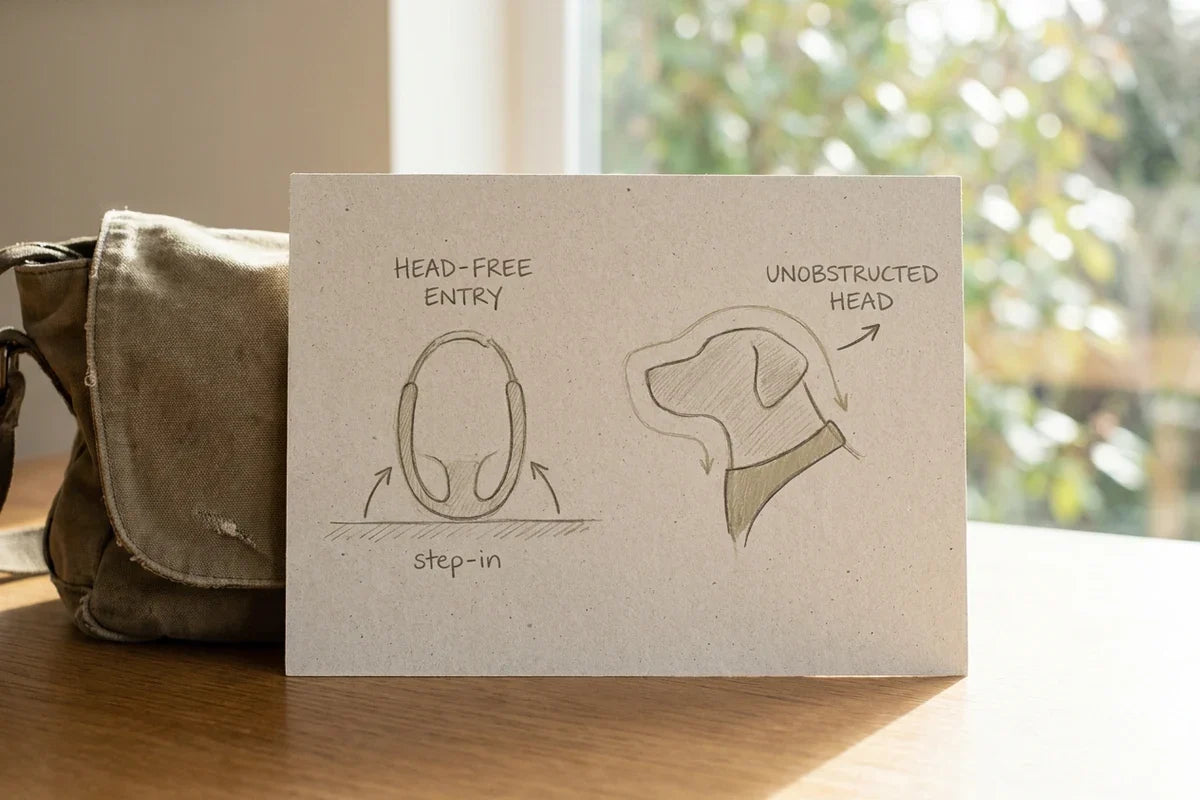
A properly fitted step-in harness may also be harder for some dogs to escape. It closes around the body after the front paws enter the leg openings, rather than relying on a large fixed opening that passes over the head. If that setup suits your dog, compare the shapes and adjustment options in our dog harness collection.
| Harness Detail | When to Consider It |
|---|---|
| Three-point construction | Your dog deliberately backs out or has a noticeable difference between chest and waist width. |
| Step-in design | You want a body-closing style that does not need to pass over your dog’s head. |
| Multiple adjustment points | Your dog’s neck, chest, and belly do not fit securely within one fixed proportion. |
| Vest-style body panel | You prefer broader fabric coverage rather than a harness made mainly from narrow straps. |
A broader panel can be useful when that is the style you and your dog prefer, but a vest shape does not automatically make a harness secure. Browse dog vest harness options by looking closely at where each piece adjusts, not by judging the front panel alone.

Fit the Harness to Your Dog’s Body
Even a thoughtfully designed harness can slip if the straps leave too much room. It should feel snug without pinching while your dog is standing or sitting. You should be able to slide two fingers underneath the straps, but the harness should not shift freely around the body.
Pay attention to placement as well as tightness. The neck opening should sit away from the throat, and the girth strap should remain on the rib cage instead of drifting toward the stomach or elbows. Adjust one section at a time, then check the others again because changing one strap can change how the whole harness sits.
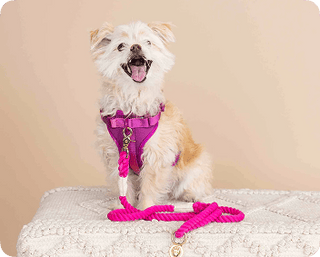
Small dogs can have particularly little margin between secure and uncomfortable, so proportion matters alongside the number on the size label. Our best harnesses for small dogs guide can help you narrow the category before comparing individual size charts. You can also browse the small dog harness collection when you need options intended for smaller frames.
For a larger dog, don’t assume that heavier-looking gear will solve an escape problem. The harness still needs to match the dog’s actual proportions and stay in position under backward pressure. Our best harnesses for big dogs guide focuses on that size-specific starting point.

Test the Fit Before the First Real Walk
A harness can look perfect while your dog is standing still and behave very differently once the leash changes direction. Check it indoors or in another controlled space before depending on it outside.
- Fasten every buckle and smooth any twisted straps before attaching the leash.
- Apply gentle pressure forward, backward, and from each side while watching how far the harness moves.
- Pay closest attention when the pressure moves backward. The neck opening should not travel over the dog’s head.
- Let your dog take a few steps, turn, and sit. Check that the straps remain on the rib cage and away from the throat and elbows.
- Make small, even adjustments if the harness rotates or rides forward, then repeat the movement test.
The AKC guide to choosing the right dog harness also recommends pulling the harness in different directions and checking whether backward pressure allows it to move over the head. That simple test recreates the motion that matters before you add the surprises of a normal walk.

Separate Escape Prevention From Pull Control
Pulling and escaping are different walking problems. A front attachment may help manage a dog’s forward movement, but clip position by itself does not close a loose neck opening or add the rear body contact that helps with backing out.
If your dog pulls and reverses out of gear, consider both needs when comparing a no-pull dog harness. Start with secure body fit, then look at leash attachment. Our best no-pull dog harness guide explains that second part, while our best harnesses for dogs that pull guide helps match walking gear to persistent forward pulling.
Once you have separated those two jobs, the choice becomes much clearer. Use strap layout and backward-pressure fit to address escaping. Choose the leash attachment based on the kind of control you need while moving forward.
Frequently asked questions
Is a Step-In Harness Better Than a Three-Point Harness for an Escape Artist?
A properly fitted step-in harness can be difficult for a dog to get out of, while a three-point harness adds a rear belly strap specifically suited to dogs that back out. The better option depends on which design stays in place on your dog’s body.
Should I Buy a Smaller Harness So My Dog Cannot Escape?
No. A harness should be snug, but sizing down can create pinching or poor strap placement. Choose the size that matches the manufacturer’s measurements, then use the available adjustments to get a close fit.
Can I Use a Collar as a Backup to an Escape-Proof Harness?
An additional leash attached to a properly fitted martingale collar can serve as a backup system for an escape-prone dog. It adds a second connection rather than making the harness itself impossible to escape.
Does an Escape-Proof Harness Work Differently for Large Dogs?
The same fit principles apply to large dogs. Look for a design that matches the neck, chest, and belly measurements and remains secure under backward pressure rather than choosing by weight or appearance alone.