



Best Harness for Small Dogs: How to Choose the Right Fit
The best harness for a small dog fits snugly around their individual shape, keeps pressure away from the throat, and suits how they behave on walks. Size labels are a starting point, but the right fit comes down to your pup’s proportions, comfort, and talent for turning a routine walk into a tiny adventure.
Choose the Harness for Your Dog, Not the Size Label
Two small dogs at the same weight can have very different builds. One may have a deep chest and narrow neck, while another is more compact from neck to belly. That’s why “small” on the tag can’t tell you whether the straps will sit in the right places.
The best place to begin is an adjustable body harness in the correct girth range. A body harness gives you control while reducing pressure on the neck and throat compared with attaching the leash to a collar. That can be especially helpful for little dogs because throat pressure may aggravate collapsing trachea, as explained in this overview of collars and harnesses for dogs.
| Harness Style | When to Use It |
|---|---|
| Adjustable body harness | For everyday walks when you want to fine-tune the fit around a small frame |
| No-pull harness | For a dog that regularly surges or pulls ahead |
| Three-point or double-H harness | For a dog that backs out of an ordinary harness |
| Step-in harness | For a dog that dislikes having gear placed over the head |
| Vest-style harness | For pet parents who prefer a design with a broader body panel |
You can compare shapes in the small dog harness collection, then match the sizing chart to your dog’s actual measurements. If your pup pulls often, narrow the choice further with our guide to the best harnesses for dogs that pull.

Make Fit Your First Comfort Check
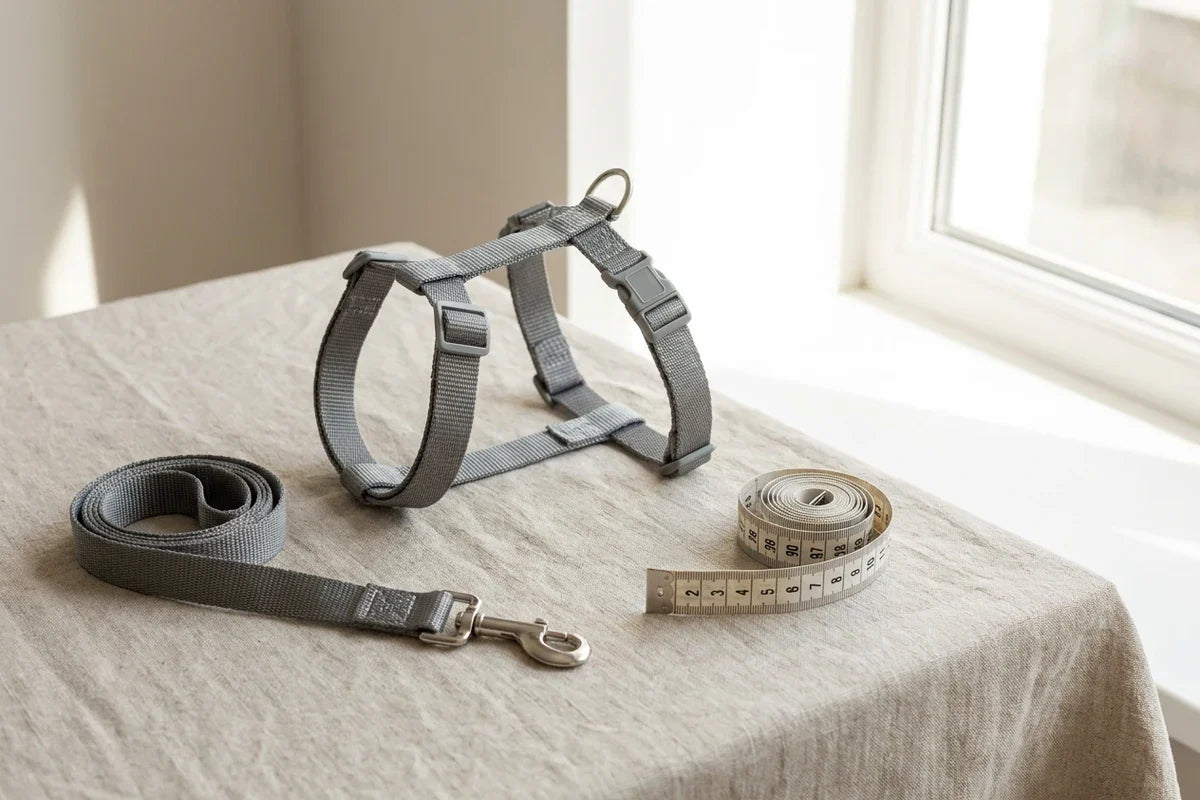
A harness should feel snug without pinching. You should be able to slide two fingers beneath the straps, but you shouldn’t see loose gaps that let the harness rotate or lift away from the body. The girth strap belongs clear of the stomach and elbows, while the neck opening should sit near the top of the sternum (breastbone), not around the throat.
Those checkpoints matter more than a style name. A harness that suits one little dog may sit awkwardly on another, so proper dog harness sizing and fit should guide your choice before labels such as “small breed” or “no-pull.”
Once the harness is adjusted, look at where every edge lands. Straps shouldn’t crowd the front legs, press into the throat, or bunch the skin. If you keep tightening one area only to create a new gap somewhere else, that design may not match your dog’s body. Try another shape instead of asking the wrong harness to behave like the right one.
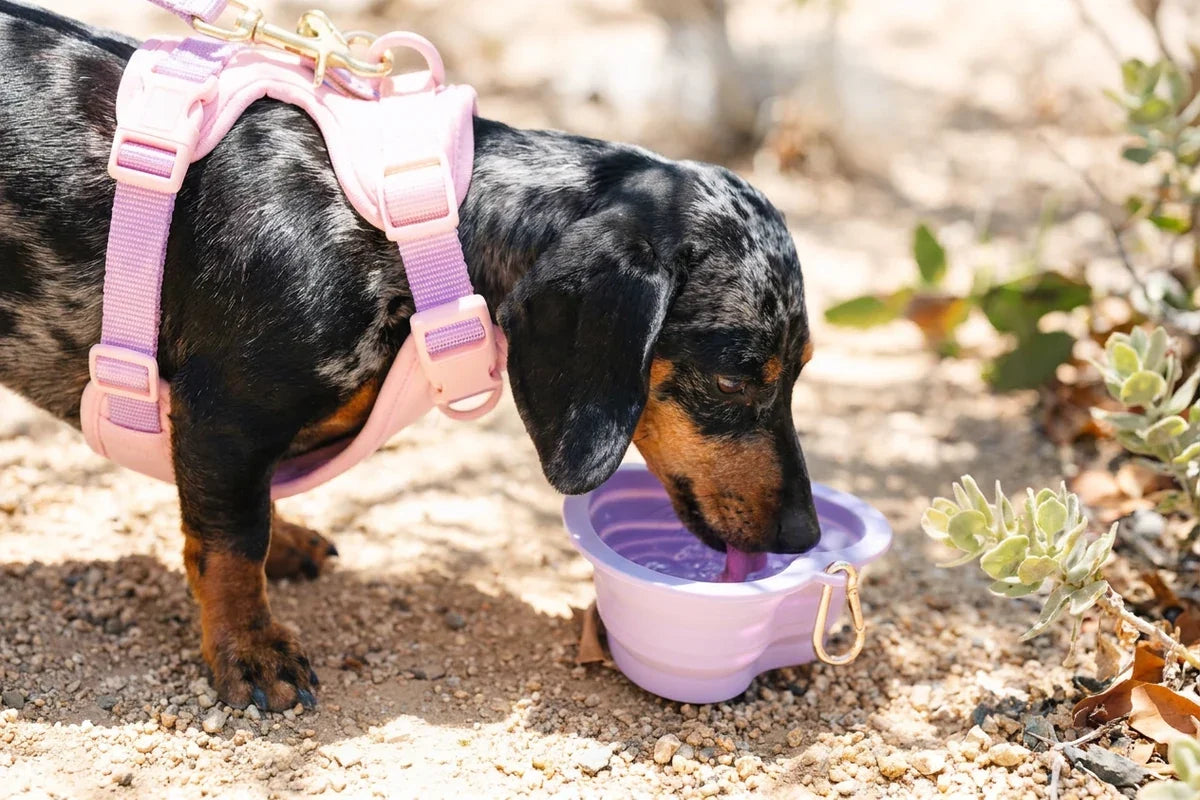
A dog vest harness collection can be useful when you want to compare a panel-style option with narrower strap designs. Cute absolutely gets a vote too, once the fit checks are handled. The cute dog harness collection gives you another place to browse without treating style as a substitute for sizing.

Add Security for a Little Escape Artist
Some small dogs have a special gift for reversing out of walking gear. If your pup plants their feet and backs away, an ordinary neck-and-chest harness may leave enough room for the shoulders to slip through.
A three-point or double-H design adds a belly strap behind the chest section. That extra contact point can provide more security for dogs that back out of standard harnesses. It still needs to fit correctly, of course. Extra straps won’t fix a size that is loose around your dog’s narrowest points.
If backing out is your main concern, use our guide to harnesses dogs can’t slip out of to focus on security-minded designs. Your dog’s usual movement is the useful clue here. A calm walker and a determined escape artist may need completely different harness structures, even when both wear the same nominal size.

Match the Design to Your Walking Routine
Think about the part of harness time that creates the most friction. If your dog walks comfortably but hides when the neck opening appears, putting the harness on may be the real problem. A step-in style lets the front paws enter first and fastens around the body, skipping the over-the-head motion.
Our guide to dog harnesses that don’t go over the head can help you decide whether that setup suits your routine. Don’t assume step-in automatically means better, though. It still has to fit your dog’s chest, neck, and belly without pinching or leaving escape gaps.
Pulling calls for a different decision. If your small dog leans into the leash or surges toward every interesting smell, consider a no-pull design and pair the equipment with leash training. You can compare the available shapes in the no-pull dog harness collection, then use our best no-pull dog harness guide to make a more focused choice.
Let the First Walk Settle the Decision
A harness can look perfect while your dog is standing still and shift once they start moving. Pay attention during the first walk. Watch whether the body stays centered, the neck opening remains below the throat, and the straps stay clear of the elbows as your pup turns and trots.
If the harness stays in place and your dog moves without pinching or obvious gaps, you’ve found a practical match. If it twists, rides upward, or needs constant tightening, change the shape or size before the next outing. Small dogs may be compact, but their fit deserves the full-size attention.
Frequently asked questions
Is a Harness Better Than a Collar for a Small Dog?
A well-fitted body harness may be the better leash attachment when you want to reduce pressure on a small dog’s neck and throat. A collar can still be used for identification tags if it fits comfortably.
Can a Small Dog With Collapsing Trachea Wear a Harness?
Dogs with tracheal disease or neck pain may benefit from a body harness because it moves leash pressure away from the throat. Ask your veterinarian which design and walking setup suit your dog’s condition.
Is a Step-In Harness Always More Comfortable for Small Dogs?
No. A step-in design may make dressing easier for a dog that dislikes overhead gear, but comfort still depends on how the harness fits that individual dog’s body.
What Should I Do if the Neck Opening Sits on My Dog’s Throat?
Reposition or adjust the harness so the opening sits closer to the top of the breastbone. If the design cannot clear the throat while remaining snug elsewhere, try a different size or harness shape.